Hotel Bed Bug Treatment
We find you a specialist who treats affected rooms discreetly, checks the rooms around them and gets them back on sale.
Get a quoteWhat a hotel usually needs
Most calls start with one complaint from one room. The work that follows tends to fall into four kinds, and a good specialist will tell you which of them you actually need.
Heat treatment for rooms
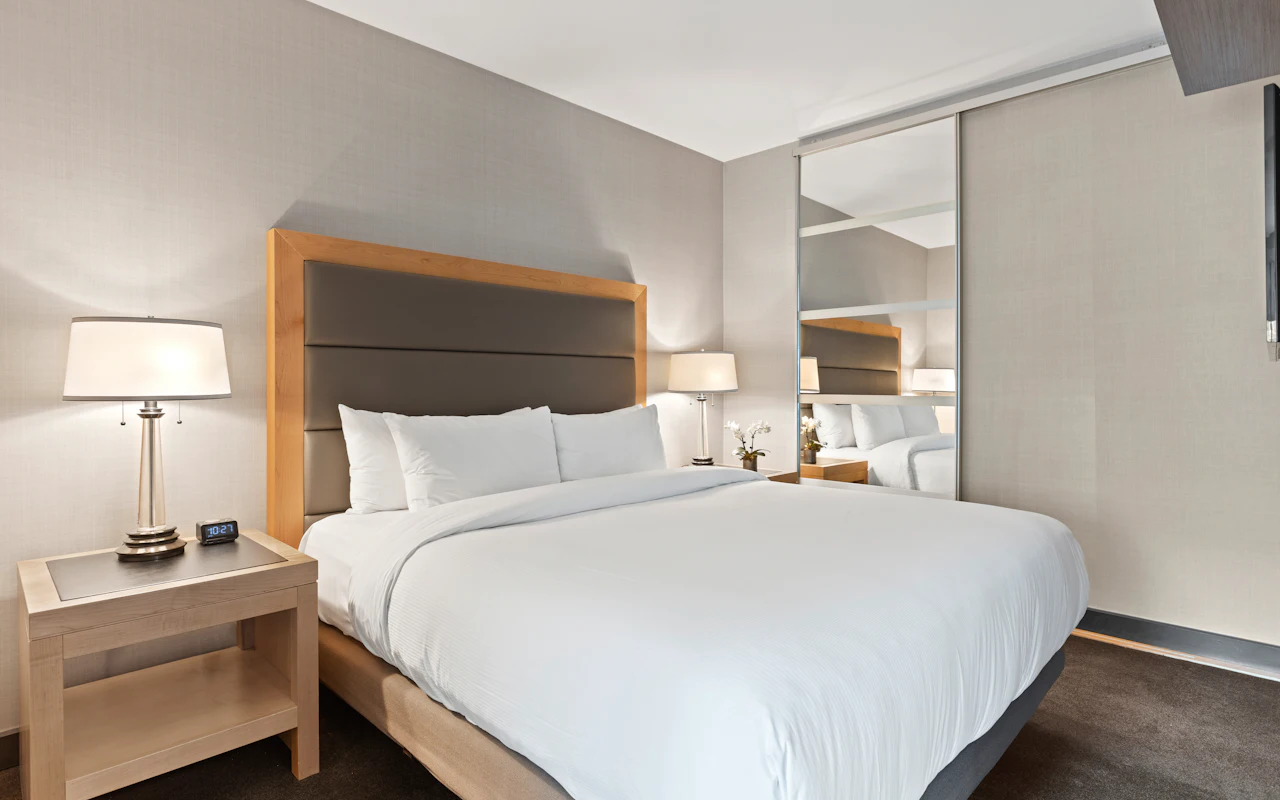
The room, the bed and its contents are brought up to a temperature bed bugs cannot survive and held there. One visit in many cases, with no spray residue from the heat itself.
How room heat treatment works →Inspections and detection dogs
A careful look at the reported room and the rooms around it, so you treat the rooms that need it and reopen the rest.
Monitoring programmes
Routine checks on a schedule, with written records, for properties that want to find problems while they are small.
Staff awareness training
What housekeeping should look at during a room turn, and what to do the moment they find something.
One room today, the corridor next month
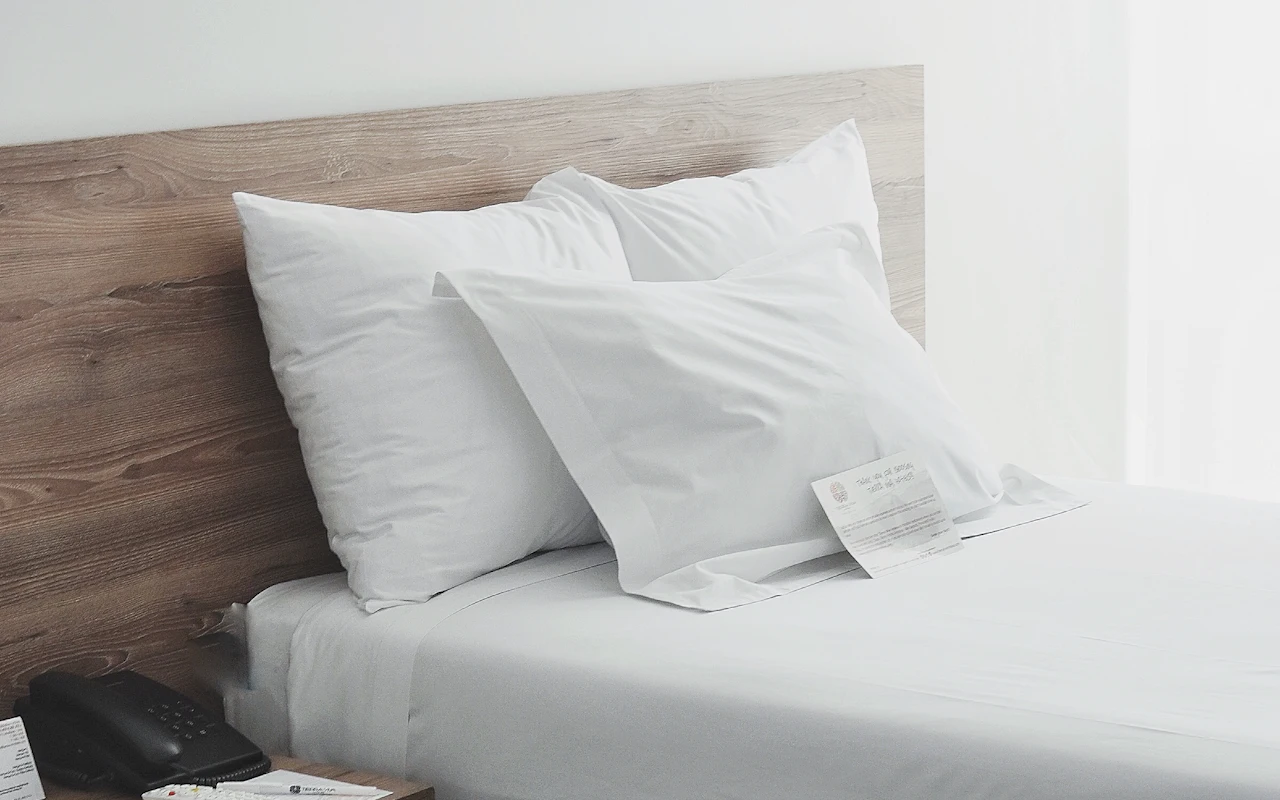
It is tempting to treat the room the guest complained about and move on. The trouble is that bed bugs do not stay put. They walk along skirting, through gaps around pipes and sockets, and they travel in luggage, coats and laundry trolleys from one room to the next.
That is why a specialist will usually want to look at the rooms either side, above and below as well. If those rooms are clear, you have spent an hour and kept them open with confidence. If one of them is not, you have caught it before a second guest finds it for you.
The other habit that pays off is acting on the first report. Bed bugs come in with guests and their bags, so a clean, well-run hotel can still get them. The hotels that cope best are the ones that move fast and keep records.
£85 to £577
What councils charge households for bed bug treatment, across the 12 councils in our council survey that publish a figure. Hotels are priced per room after an inspection, and few councils take commercial work. The hotel bed bug treatment cost guide explains what moves a quote.
Get a quoteHow a hotel job usually goes
The order is much the same whoever does the work. What changes is how many rooms end up involved.
The room comes out of service
Move the guest, stop selling the room, bag the linen in the room and leave the furniture where it is so the specialist sees it as it was.
The room and its neighbours are inspected
The specialist checks the bed, the bed head, seams, skirting and furniture in the reported room, then the rooms either side, above and below.
Heat or targeted treatment
Rooms with live activity are treated, most often with heat for a hotel, sometimes with a targeted insecticide or a mix of the two.
The room goes back on sale
Once the specialist is satisfied, the room is cleaned, made up and released. Keep the report and the temperature records on file.
A follow-up check
A return visit, or monitors left in place, confirms nothing has survived. Some properties move on to routine monitoring after this.
or 50°C for 2 hours: the conditions the BPCA gives for killing bed bugs with heat.
Either side, above and below are the rooms a specialist will usually ask to check too.
Heat treatment has no regulator, so ask for temperature records and check trade body membership.
Questions hotels ask first
Short answers to what general managers and heads of housekeeping usually want to know before anyone arrives.
Can a treated room be back in service the same day?
Sometimes, but plan for it not to be. With heat, the room has to reach a lethal temperature and stay there: the BPCA gives 50°C held for two hours or 52°C for one hour, and the room then has to cool and be made up again. A targeted insecticide treatment often needs a follow-up visit, so the specialist may ask you to keep the room closed until they have been back. Ask for a realistic return-to-service time before you book.
Do we need to close a whole floor?
In a lot of cases, no. The usual approach is to take the reported room out of service along with any rooms the inspection shows are affected, and to check the rooms either side, above and below. A floor closure tends to come up only when several rooms on it are found to be active, and the specialist should show you why before you lose that many nights.
How do we keep a treatment quiet?
Tell the specialist at the start that discretion matters. Firms that work in hotels are used to being asked for plain clothes, unmarked vehicles, a service entrance and visits timed around check-out. Bag linen and soft items in the room before they are carried through public areas, and keep the conversation with staff on a need-to-know basis.
Do other guests have to be told?
We cannot give you a legal answer, and you should take advice if you are unsure. What we can say is that the guest who reported the problem should get a calm, honest reply in writing, and any guest moved out of an adjoining room needs a reason. Our plan for when a guest reports bed bugs walks through the replies.
Get a specialist to the property
Just the property postcode, your name, phone and email. We come back with the name of a specialist who covers your area.
We line up a hotel bed bug specialist near the property and name them to you first; your details only reach them once you know who they are. You pay us nothing. We work independently of any treatment firm and never carry out treatments ourselves.
Thank you. Your enquiry is with us.
What follows from here:
- A specialist is lined up who takes on hospitality work near the property, and we contact you with their name.
- You decide. Your details go to that firm only if you tell us that is fine.
- The firm talks to you directly about an inspection, the rooms involved and a price.