Heat treatment for hotel rooms
Heat is the treatment most hotels end up choosing, because it can deal with a room in one visit and the room does not need to be stripped bare. Here is how it works, how long you lose the room for, and what to ask for on paper.
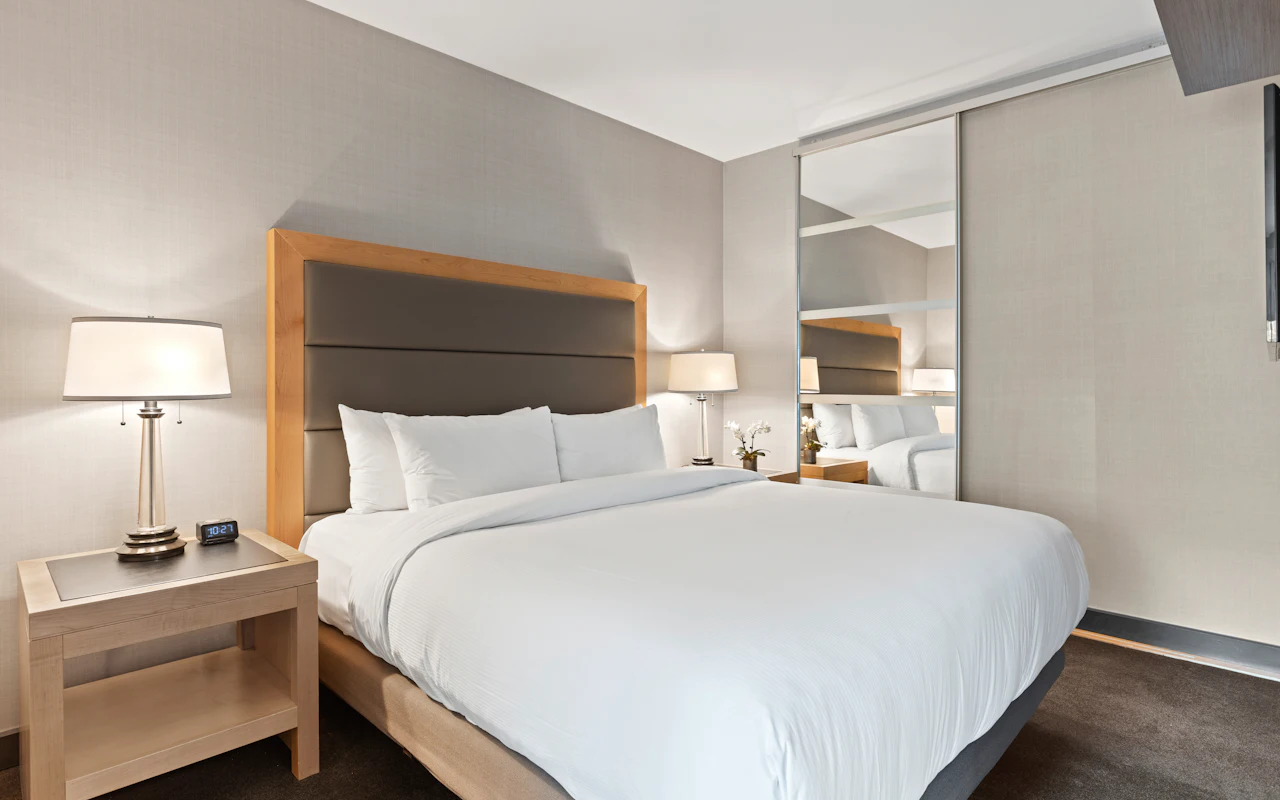
How heat kills bed bugs
Have you been told that heat "gets everything"? It can, but only if every hiding place reaches the right temperature for long enough. Bed bugs and their eggs tuck into mattress seams, behind bed heads, inside bed bases and along skirting, and those are the last places in a room to warm up.
The BPCA, one of the main UK trade bodies for pest control, gives the figures: 50°C held for two hours, or 52°C held for one hour. A competent specialist measures this with probes placed in the furniture, not just the air, and keeps the room at temperature until the slowest probe has done its time.
What happens on the day
A single hotel room usually follows the same pattern. The detail varies with the room size and the equipment, but in a lot of cases it runs like this.
- Prepare the roomBag the linen, take out items that cannot take the heat, and stand the mattress and furniture so air can move around them.
- Protect the buildingDetectors and sprinkler heads in the room are dealt with as agreed with you beforehand, so the heat does not set anything off.
- Heat and holdHeaters and fans bring the room up gradually, probes are placed in the hiding places, and the room is held until every probe has reached the target.
- Cool and hand backThe room cools, the specialist checks it, and housekeeping cleans and makes it up again for sale.
The heating itself is often a few hours. Add preparation and cooling and many hotels plan on losing the room for a day, which is still far less than the stop-start of some chemical programmes.
Room downtime compared
Downtime is the cost hotels feel most, so it helps to see the usual shape of each method side by side.
| Method | Visits, typically | Room out of service | Things to know |
|---|---|---|---|
| Heat | One, sometimes with a follow-up check | Often around a day | Needs power on site and items removed that cannot take heat |
| Targeted insecticide | Two or more | Varies with the product and the firm's advice | Council bed bug prices commonly cover two to four visits |
| Heat with insecticide at the edges | One, plus a check | Around a day, more if the product needs it | Some firms use it to protect against bugs walking back in |
A general picture, not a promise. Your specialist will give you their own timings.
Heat treatment is not regulated
This catches some managers out. Nobody regulates heat treatment, the BPCA notes, so anyone can buy heaters and offer it. The difference between a good job and a bad one is mostly in the measuring.
Ask for the temperature records. A careful firm will log every probe through the treatment and give you a copy. If a guest complains later, or the room needs a second look, that record shows what was actually done. You can also check whether a firm belongs to the BPCA with its find a pest controller search.
Rooms next door
Heating one room does nothing for a neighbouring room that already has bed bugs in it. That is why the specialist usually wants to inspect the rooms either side, above and below before or on the day. If one of them shows signs, heat both on the same visit. Coming back later for the second room costs you another day of lost sales and another call-out.
Once the room is clear, a lot of hotels move on to routine monitoring, so that any repeat is found by staff rather than by a guest. For what heat usually costs per room, see the hotel bed bug treatment cost guide.
Heat treatment questions
How hot does the room have to get?
Hot enough at the core of the furniture, not just in the air. The BPCA gives 50°C held for two hours or 52°C held for one hour as the conditions that kill bed bugs, which is why a specialist places probes in the mattress, the bed base and other hiding places rather than relying on a wall thermometer.
Does heat leave anything behind for the next guest?
The heat itself leaves no spray residue. Some specialists combine heat with a light insecticide treatment at the edges of the room, so ask what, if anything, will be applied and how long the room should stay closed afterwards.
Is anything damaged by the heat?
Most hotel furniture and fittings cope, but some things do not: aerosols, candles, some electronics, certain plastics and artwork. The specialist should give you a list of what to take out and should protect sprinkler heads and smoke detectors. Ask how they deal with fire detection before the day.
Can we treat one room and leave the rest?
You can, if an inspection of the rooms around it is clear. If a neighbouring room shows signs, it usually makes sense to heat both on the same visit rather than come back a fortnight later for the second.
Find a specialist for heat treatment
One short form: the property postcode, who you are and how to reach you by phone and email.
We line up a hotel bed bug specialist near the property and name them to you first; your details only reach them once you know who they are. You pay us nothing. We work independently of any treatment firm and never carry out treatments ourselves.
Thank you. Your enquiry is with us.
What follows from here:
- A specialist is lined up who takes on hospitality work near the property, and we contact you with their name.
- You decide. Your details go to that firm only if you tell us that is fine.
- The firm talks to you directly about an inspection, the rooms involved and a price.